The Arctic Wolf Project
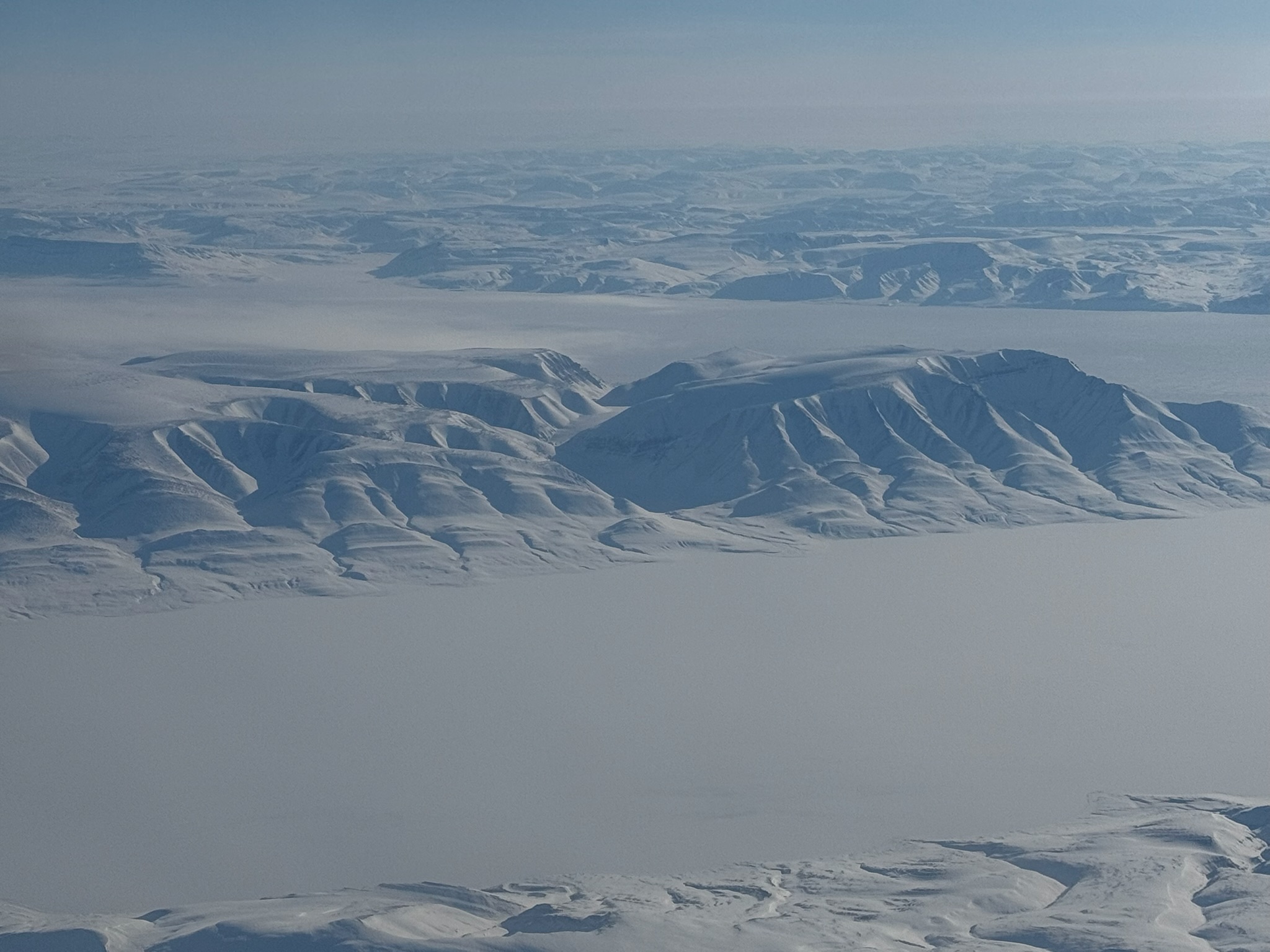
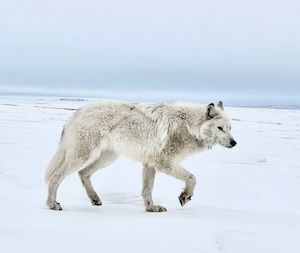
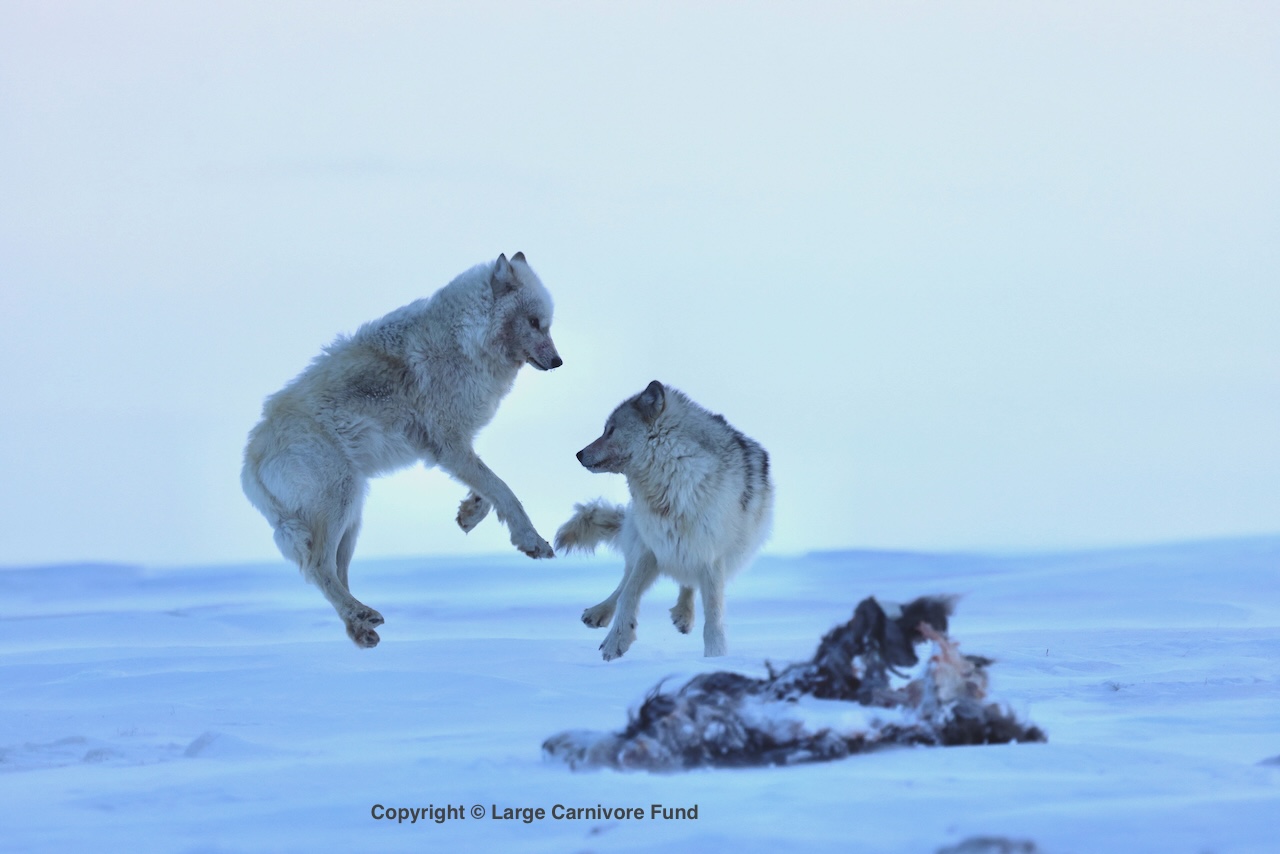
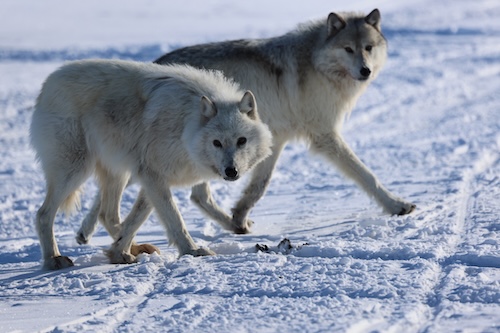
Arctic wolves (Canis lupus arctos) inhabit one of the most remote and least accessible regions of the High Arctic, ranging across Canada’s Queen Elizabeth Islands and Greenland. We aim to support long-term conservation of this remarkable subspecies of the gray wolf (Canis lupus) through research and by supporting Inuit community-led stewardship.
As one of the few large terrestrial carnivores in this extreme environment, Arctic wolves rarely encounter people, making them one of the world’s least disturbed wolf populations. This exceptional isolation provides a rare opportunity to study their natural ecology, behavior, and adaptations while helping to conserve a population that faces growing pressures from climate change (declining sea ice connectivity between islands and reduced genetic diversity, prey abundance, pack territories, reproduction and pup survival) and increasing human activity.
Research & Conservation
Research
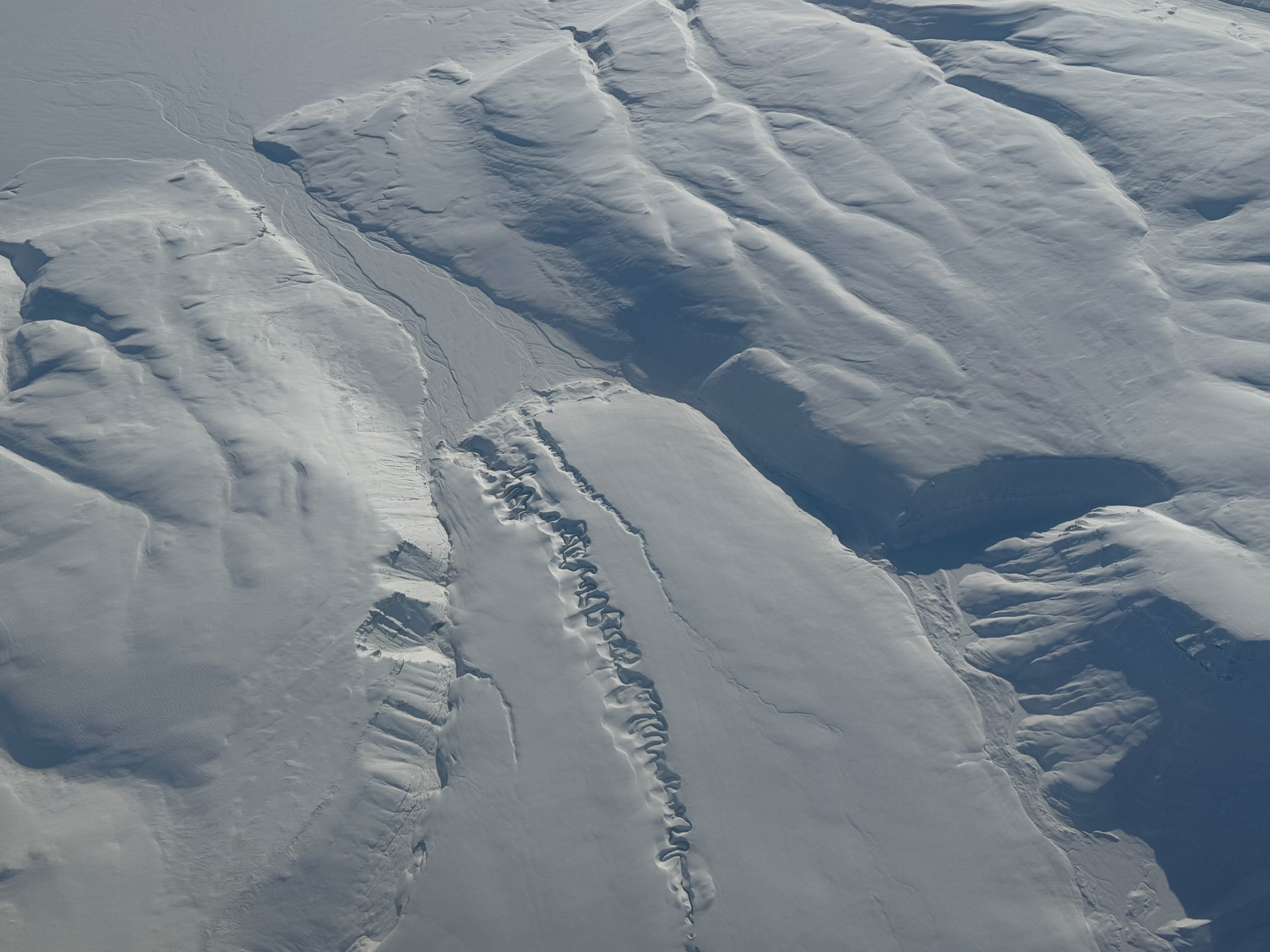
Little is known about food caching behavior in wolves. Most observations of wolf predation are based on brief aerial surveys of kill sites, providing only a limited snapshot of feeding and caching behavior. Our research on Ellesmere Island, primarily centered around the Fosheim Peninsula, is uniquely positioned to address these questions and gaps. Through multi-year field observations of Arctic wolves across varying seasons, we hope to document caching behavior in unprecedented detail, and produce geographically-linked timeseries patterns of behavior and storage.
Conservation
To support a low-impact ecotourism model in which all guiding and logistical support is provided by local Inuit residents only. By limiting outside commercial operators, this approach reduces disturbance to wildlife and fragile Arctic habitats while directing the economic benefits to local Inuit families and their communities, with local community support.
How you can help
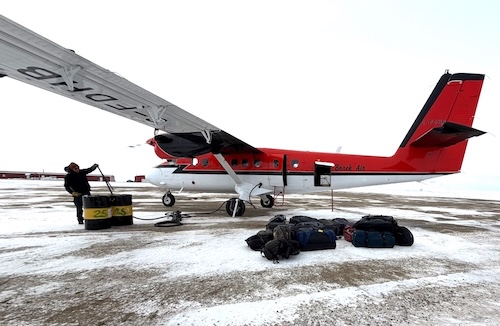
High Arctic logistics for research and conservation are difficult and very expensive.
Donatate to support this work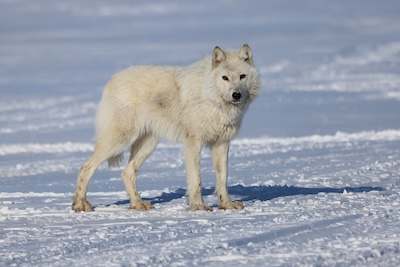
What
We hope to advance our understanding of food caching behavior, decision-making and prioritization in wolves.
Why
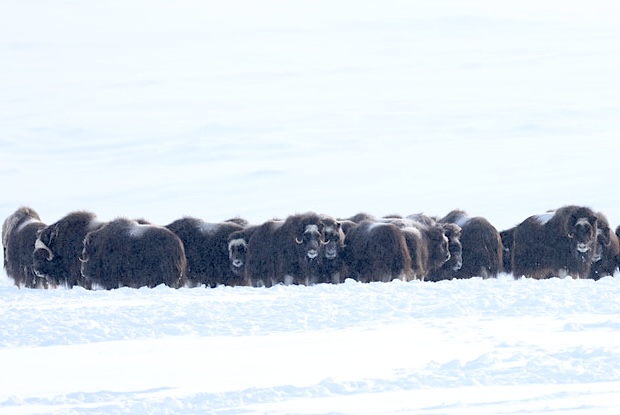
Our findings can be used to improve estimates of prey consumption and help inform more science-based gray wolf management, conservation strategies, policies and regulations around the world.
How
We employ entirely non-invasive methods that require no capture or handling to assess the overall health of Arctic wolf populations on and around Ellesmere Island. Inuit knowledge and guidance will be used throughout the project.
Project Status
Project planning commenced in early 2026, followed by reconnaissance fieldwork, feasibility and logistical assessments on Ellesmere Island in the Canadian High Arctic from April through May.
Formal research begins in 2027
Annual, multi-year research
In partnership with the local Inuit